
Back Pain
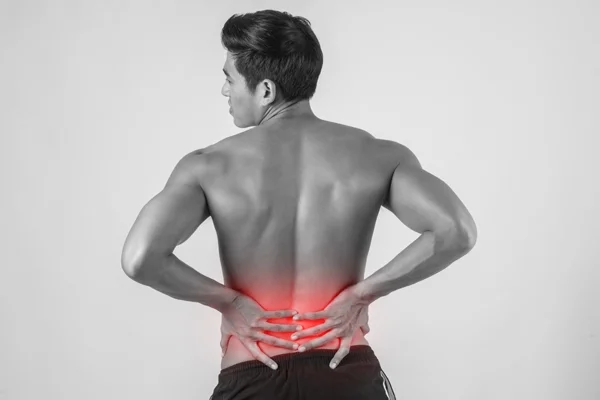
Back Pain
Back pain is one of the most common orthopedic problems affecting people of all age groups. It can range from mild discomfort to severe pain that interferes with daily activities, work, and mobility. Modern lifestyles, long working hours, poor posture, and lack of physical activity have significantly increased the number of people suffering from back pain.
Timely diagnosis and proper treatment are essential to prevent back pain from becoming a chronic condition. Dr. Md Shahbaz Siddiqui provides advanced and personalized back pain treatment in Okhla, focusing on identifying the root cause of the problem and offering effective non-surgical as well as minimally invasive treatment options to help patients regain comfort and mobility.
What Is Back Pain Treatment?
Back pain treatment focuses on relieving pain, improving spinal health, and restoring normal movement. The spine is a complex structure made up of bones, discs, muscles, ligaments, and nerves. Any problem affecting these components can lead to back pain.
Back pain may occur in different parts of the spine, including:
Lower back pain (lumbar spine)
Middle back pain (thoracic spine)
Upper back pain (cervical and upper thoracic region)
In many cases, back pain can be treated successfully through non-surgical methods such as medications, physiotherapy, posture correction, and lifestyle modifications. However, in severe cases involving nerve compression or spinal damage, advanced treatments or minimally invasive procedures may be required.
Why Does Back Pain Happen?
Back pain can develop due to various medical, lifestyle, and mechanical factors. Some of the most common causes include:
Poor posture while sitting or standing
Prolonged desk work or computer usage
Muscle strain due to heavy lifting
Slipped disc or herniated disc
Spinal arthritis or degeneration
Weak core and back muscles
Sedentary lifestyle and lack of exercise
Obesity and excess body weight
Sports injuries or accidents
Age-related spinal wear and tear
Understanding the exact cause of back pain is crucial for selecting the most effective treatment approach.
Symptoms of Back Pain
Back pain may present with different symptoms depending on the underlying cause. Common symptoms include:
Persistent pain in the lower or upper back
Stiffness and reduced flexibility
Pain while bending, lifting, or twisting
Muscle spasms in the back
Pain radiating to the hips, buttocks, or legs
Numbness or tingling sensation in the legs
Difficulty standing or sitting for long periods
If back pain persists for several days or becomes severe, it is important to consult an orthopedic specialist for proper evaluation.
Procedure / Diagnosis Process
A comprehensive evaluation is required to diagnose the cause of back pain accurately. Dr. Md Shahbaz Siddiqui follows a detailed diagnostic approach to determine the most suitable treatment plan.
The diagnosis process usually includes:
Detailed medical history evaluation
Physical examination of the spine and posture
Assessment of nerve involvement
Evaluation of pain intensity and movement limitations
Imaging tests such as X-ray, MRI, or CT scan if required
Identification of spinal abnormalities or disc problems
This thorough evaluation helps in creating a personalized treatment strategy for each patient.
Treatment Options
Back pain treatment depends on the cause and severity of the condition. Dr. Md Shahbaz Siddiqui provides comprehensive treatment options ranging from conservative care to advanced procedures.
1. Non-Surgical Treatment
Most cases of back pain can be treated successfully without surgery.
Pain relief medications
Anti-inflammatory treatments
Physiotherapy and strengthening exercises
Posture correction programs
Lifestyle modification guidance
Heat and cold therapy
These treatments help reduce inflammation, strengthen spinal muscles, and improve flexibility.
2. Advanced Pain Management
For patients experiencing persistent pain, advanced pain management techniques may be recommended, including:
Epidural steroid injections
Nerve root block injections
Targeted pain relief therapies
These treatments help reduce nerve inflammation and provide long-lasting pain relief.
3. Minimally Invasive Spine Procedures
In cases where back pain is caused by structural spinal problems such as a herniated disc or severe nerve compression, minimally invasive procedures may be recommended. These procedures involve:
Small surgical incisions
Minimal tissue damage
Shorter hospital stay
Faster recovery time
Modern spine surgery techniques allow patients to recover more quickly and return to normal activities sooner.
4. Rehabilitation and Long-Term Spine Care
After treatment, a structured rehabilitation program is recommended to strengthen the spine and prevent recurrence of back pain.
This may include:
Physiotherapy exercises
Core strengthening programs
Posture improvement training
Activity modification guidance
Lifestyle and ergonomic recommendations
Rehabilitation plays a key role in long-term spinal health.
Benefits of Early Back Pain Treatment
Seeking timely treatment for back pain offers several benefits:
Relief from chronic pain
Improved spinal mobility
Better posture and body alignment
Prevention of nerve damage
Reduced risk of long-term complications
Improved quality of life and daily functioning
Early intervention can significantly reduce the risk of serious spinal problems in the future.
FAQs
1. When should I consult a doctor for back pain?
If back pain persists for more than a few days, becomes severe, or spreads to the legs, you should consult an orthopedic specialist for proper evaluation.
2. Can back pain be treated without surgery?
Yes, most back pain cases improve with non-surgical treatments such as physiotherapy, medications, and lifestyle changes.
3. Is back pain common in younger people?
Yes, poor posture, long hours of sitting, and lack of exercise have increased back pain among young adults.
4. How long does recovery from back pain take?
Recovery time depends on the cause and severity of the condition. Mild cases may improve within a few weeks with proper treatment.
5. How can back pain be prevented?
Maintaining good posture, regular exercise, proper lifting techniques, and a healthy lifestyle can help prevent back pain.


