
Book an Appointment
CTEV Correction
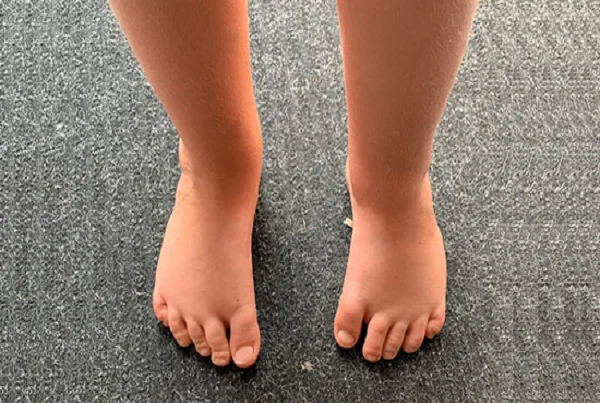
CTEV Correction
CTEV (Congenital Talipes Equinovarus), commonly known as clubfoot, is a congenital condition where a baby is born with the foot turned inward or downward. This condition affects the normal alignment of the foot and ankle and can make walking difficult if left untreated.
Early treatment is extremely important to correct the deformity and allow the child to walk normally. Dr. Md Shahbaz Siddiqui provides specialized CTEV correction treatment in Okhla, focusing on early diagnosis and advanced corrective techniques for optimal outcomes.
What Is CTEV Correction?
CTEV correction involves medical treatment and procedures to realign the foot and ankle of infants born with clubfoot. The goal of treatment is to gradually correct the deformity and allow normal foot function.
Treatment is most effective when started early in infancy.
Why Does It Happen?
The exact cause of CTEV is not always known, but several factors may contribute to the condition.
Genetic factors
Abnormal fetal positioning during pregnancy
Neuromuscular disorders
Developmental abnormalities of bones and muscles
Family history of clubfoot
Early detection helps ensure successful treatment.
Symptoms of CTEV
Common signs of CTEV include:
Foot turned inward or downward
Stiffness in the foot and ankle
Smaller calf muscles on the affected side
Difficulty placing the foot flat on the ground
Abnormal foot shape at birth
Early medical evaluation is essential if these signs are noticed.
Procedure / Diagnosis Process
CTEV is usually diagnosed soon after birth during a physical examination.
The evaluation may include:
Physical examination of the baby's foot
Assessment of foot flexibility and alignment
X-rays in some cases
Evaluation of severity of the deformity
Planning the most appropriate correction method
Treatment Options
1. Ponseti Method (Non-Surgical Treatment)
The Ponseti method is the most common treatment for CTEV and involves:
Gentle manipulation of the foot
Serial casting to gradually correct the position
Use of braces to maintain correction
2. Minor Surgical Procedures
In some cases, a minor procedure may be required to release tight tendons and improve foot alignment.
3. Corrective Surgery
For severe cases or late diagnosis, surgical correction may be necessary to restore proper foot function.
4. Rehabilitation and Bracing
After correction, braces and follow-up care are essential to prevent recurrence.
Benefits of Early CTEV Correction
Early treatment provides excellent outcomes.
Proper foot alignment
Normal walking ability
Prevention of long-term disability
Improved mobility and balance
Better quality of life for the child
FAQs
1. When should CTEV treatment start?
Treatment should begin as early as possible, preferably within the first few weeks after birth.
2. Can clubfoot be corrected completely?
Yes, with early treatment most children can achieve normal foot function.
3. Is CTEV treatment painful for babies?
The Ponseti method is gentle and safe for infants.
4. How long does treatment take?
Initial correction may take several weeks, followed by bracing for a longer period.
5. Can CTEV recur after treatment?
Recurrence is possible if bracing instructions are not followed properly, which is why regular follow-up is important.
Reviews
No reviews found.Add Review
Get In Touch
Tags
- Osteo Ortho Clinic
- Dr. Shahbaz Siddiqui
- Dr. Shahbaz Siddiqui Orthopaedic Surgeon
- Orthopaedic Treatment Clinic in Shaheen Bagh
- Orthopaedic Treatment Clinic in Okhla
- Orthopaedic Treatment Clinic in New Friends Colony
- Orthopaedic Treatment Clinic in Lajpat Nagar
- Orthopaedic Treatment Clinic in Sarita Vihar
- Orthopaedic Treatment Clinic in Sukhdev Vihar
- Orthopaedic Treatment Clinic in Kalkaji
- Orthopaedic Treatment Clinic in Nehru Place
- Orthopaedic Treatment Clinic in Vinobapuri
- Orthopaedic Treatment Clinic in Kailash Colony
- Orthopaedic Treatment Clinic in Greater Kailash
- Orthopaedic Treatment Clinic in South Delhi
- Orthopaedic Doctor in Shaheen Bagh
- Orthopaedic Doctor in Okhla
- Orthopaedic Doctor in New Friends Colony
- Orthopaedic Doctor in Lajpat Nagar
- Orthopaedic Doctor in Sarita Vihar
- Orthopaedic Doctor in Sukhdev Vihar
- Orthopaedic Doctor in Kalkaji
- Orthopaedic Doctor in Nehru Place
- Orthopaedic Doctor in Vinobapuri
- Orthopaedic Doctor in Kailash Colony
- Orthopaedic Doctor in Greater Kailash
- Orthopaedic Doctor in South Delhi
- Orthopaedic Surgeon in Shaheen Bagh
- Orthopaedic Surgeon in Okhla
- Orthopaedic Surgeon in New Friends Colony
- Orthopaedic Surgeon in Lajpat Nagar
- Orthopaedic Surgeon in Sarita Vihar
- Orthopaedic Surgeon in Sukhdev Vihar
- Orthopaedic Surgeon in Kalkaji
- Orthopaedic Surgeon in Nehru Place
- Orthopaedic Surgeon in Vinobapuri
- Orthopaedic Surgeon in Kailash Colony
- Orthopaedic Surgeon in Greater Kailash
- Orthopaedic Surgeon in South Delhi
- Knee Replacement Surgeon in Shaheen Bagh
- Knee Replacement Surgeon in Okhla
- Knee Replacement Surgeon in New Friends Colony
- Knee Replacement Surgeon in Lajpat Nagar
- Knee Replacement Surgeon in Sarita Vihar
- Knee Replacement Surgeon in Sukhdev Vihar
- Knee Replacement Surgeon in Kalkaji
- Knee Replacement Surgeon in Nehru Place
- Knee Replacement Surgeon in Vinobapuri
- Knee Replacement Surgeon in Kailash Colony
- Knee Replacement Surgeon in Greater Kailash
- Knee Replacement Surgeon in South Delhi
- Hip Replacement Surgeon in Shaheen Bagh
- Hip Replacement Surgeon in Okhla
- Hip Replacement Surgeon in New Friends Colony
- Hip Replacement Surgeon in Lajpat Nagar
- Hip Replacement Surgeon in Sarita Vihar
- Hip Replacement Surgeon in Sukhdev Vihar
- Hip Replacement Surgeon in Kalkaji
- Hip Replacement Surgeon in Nehru Place
- Hip Replacement Surgeon in Vinobapuri
- Hip Replacement Surgeon in Kailash Colony
- Hip Replacement Surgeon in Greater Kailash
- Hip Replacement Surgeon in South Delhi
- Shoulder Replacement Surgeon in Shaheen Bagh
- Shoulder Replacement Surgeon in Okhla
- Shoulder Replacement Surgeon in New Friends Colony
- Shoulder Replacement Surgeon in Lajpat Nagar
- Shoulder Replacement Surgeon in Sarita Vihar
- Shoulder Replacement Surgeon in Sukhdev Vihar
- Shoulder Replacement Surgeon in Kalkaji
- Shoulder Replacement Surgeon in Nehru Place
- Shoulder Replacement Surgeon in Vinobapuri
- Shoulder Replacement Surgeon in Kailash Colony
- Shoulder Replacement Surgeon in Greater Kailash
- Shoulder Replacement Surgeon in South Delhi
- Joint Replacement Surgeon in Shaheen Bagh
- Joint Replacement Surgeon in Okhla
- Joint Replacement Surgeon in New Friends Colony
- Joint Replacement Surgeon in Lajpat Nagar
- Joint Replacement Surgeon in Sarita Vihar
- Joint Replacement Surgeon in Sukhdev Vihar
- Joint Replacement Surgeon in Kalkaji
- Joint Replacement Surgeon in Nehru Place
- Joint Replacement Surgeon in Vinobapuri
- Joint Replacement Surgeon in Kailash Colony
- Joint Replacement Surgeon in Greater Kailash
- Joint Replacement Surgeon in South Delhi
- Spine Surgeon in Shaheen Bagh
- Spine Surgeon in Okhla
- Spine Surgeon in New Friends Colony
- Spine Surgeon in Lajpat Nagar
- Spine Surgeon in Sarita Vihar
- Spine Surgeon in Sukhdev Vihar
- Spine Surgeon in Kalkaji
- Spine Surgeon in Nehru Place
- Spine Surgeon in Vinobapuri
- Spine Surgeon in Kailash Colony
- Spine Surgeon in Greater Kailash
- Spine Surgeon in South Delhi
- Minimal Invasive Orthopaedic Surgeon in Shaheen Bagh
- Minimal Invasive Orthopaedic Surgeon in Okhla
- Minimal Invasive Orthopaedic Surgeon in New Friends Colony
- Minimal Invasive Orthopaedic Surgeon in Lajpat Nagar
- Minimal Invasive Orthopaedic Surgeon in Sarita Vihar
- Minimal Invasive Orthopaedic Surgeon in Sukhdev Vihar
- Minimal Invasive Orthopaedic Surgeon in Kalkaji
- Minimal Invasive Orthopaedic Surgeon in Nehru Place
- Minimal Invasive Orthopaedic Surgeon in Vinobapuri
- Minimal Invasive Orthopaedic Surgeon in Kailash Colony
- Minimal Invasive Orthopaedic Surgeon in Greater Kailash
- Minimal Invasive Orthopaedic Surgeon in South Delhi
- Arthroscopic Surgeon in Shaheen Bagh
- Arthroscopic Surgeon in Okhla
- Arthroscopic Surgeon in New Friends Colony
- Arthroscopic Surgeon in Lajpat Nagar
- Arthroscopic Surgeon in Sarita Vihar
- Arthroscopic Surgeon in Sukhdev Vihar
- Arthroscopic Surgeon in Kalkaji
- Arthroscopic Surgeon in Nehru Place
- Arthroscopic Surgeon in Vinobapuri
- Arthroscopic Surgeon in Kailash Colony
- Arthroscopic Surgeon in Greater Kailash
- Arthroscopic Surgeon in South Delhi
- Ligament Reconstruction Surgery in Shaheen Bagh
- Ligament Reconstruction Surgery in Okhla
- Ligament Reconstruction Surgery in New Friends Colony
- Ligament Reconstruction Surgery in Lajpat Nagar
- Ligament Reconstruction Surgery in Sarita Vihar
- Ligament Reconstruction Surgery in Sukhdev Vihar
- Ligament Reconstruction Surgery in Kalkaji
- Ligament Reconstruction Surgery in Nehru Place
- Ligament Reconstruction Surgery in Vinobapuri
- Ligament Reconstruction Surgery in Kailash Colony
- Ligament Reconstruction Surgery in Greater Kailash
- Ligament Reconstruction Surgery in South Delhi
- Sports Injury Surgeon in Shaheen Bagh
- Sports Injury Surgeon in Okhla
- Sports Injury Surgeon in New Friends Colony
- Sports Injury Surgeon in Lajpat Nagar
- Sports Injury Surgeon in Sarita Vihar
- Sports Injury Surgeon in Sukhdev Vihar
- Sports Injury Surgeon in Kalkaji
- Sports Injury Surgeon in Nehru Place
- Sports Injury Surgeon in Vinobapuri
- Sports Injury Surgeon in Kailash Colony
- Sports Injury Surgeon in Greater Kailash
- Sports Injury Surgeon in South Delhi
- Fracture Treatment in Shaheen Bagh
- Fracture Treatment in Okhla
- Fracture Treatment in New Friends Colony
- Fracture Treatment in Lajpat Nagar
- Fracture Treatment in Sarita Vihar
- Fracture Treatment in Sukhdev Vihar
- Fracture Treatment in Kalkaji
- Fracture Treatment in Nehru Place
- Fracture Treatment in Vinobapuri
- Fracture Treatment in Kailash Colony
- Fracture Treatment in Greater Kailash
- Fracture Treatment in South Delhi
- Back Pain Treatment in Shaheen Bagh
- Back Pain Treatment in Okhla
- Back Pain Treatment in New Friends Colony
- Back Pain Treatment in Lajpat Nagar
- Back Pain Treatment in Sarita Vihar
- Back Pain Treatment in Sukhdev Vihar
- Back Pain Treatment in Kalkaji
- Back Pain Treatment in Nehru Place
- Back Pain Treatment in Vinobapuri
- Back Pain Treatment in Kailash Colony
- Back Pain Treatment in Greater Kailash
- Back Pain Treatment in South Delhi
- Joint Pain Treatment in Shaheen Bagh
- Joint Pain Treatment in Okhla
- Joint Pain Treatment in New Friends Colony
- Joint Pain Treatment in Lajpat Nagar
- Joint Pain Treatment in Sarita Vihar
- Joint Pain Treatment in Sukhdev Vihar
- Joint Pain Treatment in Kalkaji
- Joint Pain Treatment in Nehru Place
- Joint Pain Treatment in Vinobapuri
- Joint Pain Treatment in Kailash Colony
- Joint Pain Treatment in Greater Kailash
- Joint Pain Treatment in South Delhi
- Arthritis Care in Shaheen Bagh
- Arthritis Care in Okhla
- Arthritis Care in New Friends Colony
- Arthritis Care in Lajpat Nagar
- Arthritis Care in Sarita Vihar
- Arthritis Care in Sukhdev Vihar
- Arthritis Care in Kalkaji
- Arthritis Care in Nehru Place
- Arthritis Care in Vinobapuri
- Arthritis Care in Kailash Colony
- Arthritis Care in Greater Kailash
- Arthritis Care in South Delhi
- Clubfoot Correction Surgery in Shaheen Bagh
- Clubfoot Correction Surgery in Okhla
- Clubfoot Correction Surgery in New Friends Colony
- Clubfoot Correction Surgery in Lajpat Nagar
- Clubfoot Correction Surgery in Sarita Vihar
- Clubfoot Correction Surgery in Sukhdev Vihar
- Clubfoot Correction Surgery in Kalkaji
- Clubfoot Correction Surgery in Nehru Place
- Clubfoot Correction Surgery in Vinobapuri
- Clubfoot Correction Surgery in Kailash Colony
- Clubfoot Correction Surgery in Greater Kailash
- Clubfoot Correction Surgery in South Delhi
- Orthopaedic Trauma Care in Shaheen Bagh
- Orthopaedic Trauma Care in Okhla
- Orthopaedic Trauma Care in New Friends Colony
- Orthopaedic Trauma Care in Lajpat Nagar
- Orthopaedic Trauma Care in Sarita Vihar
- Orthopaedic Trauma Care in Sukhdev Vihar
- Orthopaedic Trauma Care in Kalkaji
- Orthopaedic Trauma Care in Nehru Place
- Orthopaedic Trauma Care in Vinobapuri
- Orthopaedic Trauma Care in Kailash Colony
- Orthopaedic Trauma Care in Greater Kailash
- Orthopaedic Trauma Care in South Delhi
- Minimal Invasive Surgeon in Shaheen Bagh
- Minimal Invasive Surgeon in Okhla
- Minimal Invasive Surgeon in New Friends Colony
- Minimal Invasive Surgeon in Lajpat Nagar
- Minimal Invasive Surgeon in Sarita Vihar
- Minimal Invasive Surgeon in Sukhdev Vihar
- Minimal Invasive Surgeon in Kalkaji
- Minimal Invasive Surgeon in Nehru Place
- Minimal Invasive Surgeon in Vinobapuri
- Minimal Invasive Surgeon in Kailash Colony
- Minimal Invasive Surgeon in Greater Kailash
- Minimal Invasive Surgeon in South Delhi
- Knee Replacement Surgery in Shaheen Bagh
- Knee Replacement Surgery in Okhla
- Knee Replacement Surgery in New Friends Colony
- Knee Replacement Surgery in Lajpat Nagar
- Knee Replacement Surgery in Sarita Vihar
- Knee Replacement Surgery in Sukhdev Vihar
- Knee Replacement Surgery in Kalkaji
- Knee Replacement Surgery in Nehru Place
- Knee Replacement Surgery in Vinobapuri
- Knee Replacement Surgery in Kailash Colony
- Knee Replacement Surgery in Greater Kailash
- Knee Replacement Surgery in South Delhi
- Hip Replacement Surgery in Shaheen Bagh
- Hip Replacement Surgery in Okhla
- Hip Replacement Surgery in New Friends Colony
- Hip Replacement Surgery in Lajpat Nagar
- Hip Replacement Surgery in Sarita Vihar
- Hip Replacement Surgery in Sukhdev Vihar
- Hip Replacement Surgery in Kalkaji
- Hip Replacement Surgery in Nehru Place
- Hip Replacement Surgery in Vinobapuri
- Hip Replacement Surgery in Kailash Colony
- Hip Replacement Surgery in Greater Kailash
- Hip Replacement Surgery in South Delhi
- Shoulder Replacement Surgery in Shaheen Bagh
- Shoulder Replacement Surgery in Okhla
- Shoulder Replacement Surgery in New Friends Colony
- Shoulder Replacement Surgery in Lajpat Nagar
- Shoulder Replacement Surgery in Sarita Vihar
- Shoulder Replacement Surgery in Sukhdev Vihar
- Shoulder Replacement Surgery in Kalkaji
- Shoulder Replacement Surgery in Nehru Place
- Shoulder Replacement Surgery in Vinobapuri
- Shoulder Replacement Surgery in Kailash Colony
- Shoulder Replacement Surgery in Greater Kailash
- Shoulder Replacement Surgery in South Delhi
- Joint Replacement Surgery in Shaheen Bagh
- Joint Replacement Surgery in Okhla
- Joint Replacement Surgery in New Friends Colony
- Joint Replacement Surgery in Lajpat Nagar
- Joint Replacement Surgery in Sarita Vihar
- Joint Replacement Surgery in Sukhdev Vihar
- Joint Replacement Surgery in Kalkaji
- Joint Replacement Surgery in Nehru Place
- Joint Replacement Surgery in Vinobapuri
- Joint Replacement Surgery in Kailash Colony
- Joint Replacement Surgery in Greater Kailash
- Joint Replacement Surgery in South Delhi
- Spine Surgery in Shaheen Bagh
- Spine Surgery in Okhla
- Spine Surgery in New Friends Colony
- Spine Surgery in Lajpat Nagar
- Spine Surgery in Sarita Vihar
- Spine Surgery in Sukhdev Vihar
- Spine Surgery in Kalkaji
- Spine Surgery in Nehru Place
- Spine Surgery in Vinobapuri
- Spine Surgery in Kailash Colony
- Spine Surgery in Greater Kailash
- Spine Surgery in South Delhi
- Minimal Invasive Orthopaedic Surgery in Shaheen Bagh
- Minimal Invasive Orthopaedic Surgery in Okhla
- Minimal Invasive Orthopaedic Surgery in New Friends Colony
- Minimal Invasive Orthopaedic Surgery in Lajpat Nagar
- Minimal Invasive Orthopaedic Surgery in Sarita Vihar
- Minimal Invasive Orthopaedic Surgery in Sukhdev Vihar
- Minimal Invasive Orthopaedic Surgery in Kalkaji
- Minimal Invasive Orthopaedic Surgery in Nehru Place
- Minimal Invasive Orthopaedic Surgery in Vinobapuri
- Minimal Invasive Orthopaedic Surgery in Kailash Colony
- Minimal Invasive Orthopaedic Surgery in Greater Kailash
- Minimal Invasive Orthopaedic Surgery in South Delhi
- Arthroscopic Surgery in Shaheen Bagh
- Arthroscopic Surgery in Okhla
- Arthroscopic Surgery in New Friends Colony
- Arthroscopic Surgery in Lajpat Nagar
- Arthroscopic Surgery in Sarita Vihar
- Arthroscopic Surgery in Sukhdev Vihar
- Arthroscopic Surgery in Kalkaji
- Arthroscopic Surgery in Nehru Place
- Arthroscopic Surgery in Vinobapuri
- Arthroscopic Surgery in Kailash Colony
- Arthroscopic Surgery in Greater Kailash
- Arthroscopic Surgery in South Delhi
- Sports Injury Surgery in Shaheen Bagh
- Sports Injury Surgery in Okhla
- Sports Injury Surgery in New Friends Colony
- Sports Injury Surgery in Lajpat Nagar
- Sports Injury Surgery in Sarita Vihar
- Sports Injury Surgery in Sukhdev Vihar
- Sports Injury Surgery in Kalkaji
- Sports Injury Surgery in Nehru Place
- Sports Injury Surgery in Vinobapuri
- Sports Injury Surgery in Kailash Colony
- Sports Injury Surgery in Greater Kailash
- Sports Injury Surgery in South Delhi
- Minimal Invasive Surgery in Shaheen Bagh
- Minimal Invasive Surgery in Okhla
- Minimal Invasive Surgery in New Friends Colony
- Minimal Invasive Surgery in Lajpat Nagar
- Minimal Invasive Surgery in Sarita Vihar
- Minimal Invasive Surgery in Sukhdev Vihar
- Minimal Invasive Surgery in Kalkaji
- Minimal Invasive Surgery in Nehru Place
- Minimal Invasive Surgery in Vinobapuri
- Minimal Invasive Surgery in Kailash Colony
- Minimal Invasive Surgery in Greater Kailash
- Minimal Invasive Surgery in South Delhi
- Orthopaedic Doctor in Shaheen Bagh
- Ortho Surgeon in Shaheen Bagh
- Ortho In Shaheen Bagh
- Ortho In Shaheen Bagh
- Sports Doctor in Shaheen Bagh
- Alshifa Ortho In Shaheen Bagh
- Orthopaedic In Shaheen Bagh
- Haddi Ka Doctor in Shaheen Bagh
- Ortho Doctor in Shaheen Bagh
- Shoulder Arthroscopy Surgeon in Shaheen Bagh
- Minimal Invasive Surgeon in Shaheen Bagh
- Knee Replacement Surgeon in Shaheen Bagh
- Orthopaedic Doctor in Abu Fazal
- Ortho Surgeon in Abu Fazal
- Ortho In Abu Fazal
- Ortho In Abu Fazal
- Sports Doctor in Abu Fazal
- Alshifa Ortho In Abu Fazal
- Orthopaedic In Abu Fazal
- Haddi Ka Doctor in Abu Fazal
- Ortho Doctor in Abu Fazal
- Shoulder Arthroscopy Surgeon in Abu Fazal
- Minimal Invasive Surgeon in Abu Fazal
- Knee Replacement Surgeon in Abu Fazal
- Orthopaedic Doctor in Okhla
- Ortho Surgeon in Okhla
- Ortho In Okhla
- Ortho In Okhla
- Sports Doctor in Okhla
- Alshifa Ortho In Okhla
- Orthopaedic In Okhla
- Haddi Ka Doctor in Okhla
- Ortho Doctor in Okhla
- Shoulder Arthroscopy Surgeon in Okhla
- Minimal Invasive Surgeon in Okhla
- Knee Replacement Surgeon in Okhla
- Orthopaedic Doctor in Batla House
- Ortho Surgeon in Batla House
- Ortho In Batla House
- Ortho In Batla House
- Sports Doctor in Batla House
- Alshifa Ortho In Batla House
- Orthopaedic In Batla House
- Haddi Ka Doctor in Batla House
- Ortho Doctor in Batla House
- Shoulder Arthroscopy Surgeon in Batla House
- Minimal Invasive Surgeon in Batla House
- Knee Replacement Surgeon in Batla House
- Orthopaedic Doctor in Zakir Nagar
- Ortho Surgeon in Zakir Nagar
- Ortho In Zakir Nagar
- Ortho In Zakir Nagar
- Sports Doctor in Zakir Nagar
- Alshifa Ortho In Zakir Nagar
- Orthopaedic In Zakir Nagar
- Haddi Ka Doctor in Zakir Nagar
- Ortho Doctor in Zakir Nagar
- Shoulder Arthroscopy Surgeon in Zakir Nagar
- Minimal Invasive Surgeon in Zakir Nagar
- Knee Replacement Surgeon in Zakir Nagar
- Orthopaedic Doctor in Kalkaji
- Ortho Surgeon in Kalkaji
- Ortho In Kalkaji
- Ortho In Kalkaji
- Sports Doctor in Kalkaji
- Alshifa Ortho In Kalkaji
- Orthopaedic In Kalkaji
- Haddi Ka Doctor in Kalkaji
- Ortho Doctor in Kalkaji
- Shoulder Arthroscopy Surgeon in Kalkaji
- Minimal Invasive Surgeon in Kalkaji
- Knee Replacement Surgeon in Kalkaji
- Orthopaedic Doctor in Govindpuri
- Ortho Surgeon in Govindpuri
- Ortho In Govindpuri
- Ortho In Govindpuri
- Sports Doctor in Govindpuri
- Alshifa Ortho In Govindpuri
- Orthopaedic In Govindpuri
- Haddi Ka Doctor in Govindpuri
- Ortho Doctor in Govindpuri
- Shoulder Arthroscopy Surgeon in Govindpuri
- Minimal Invasive Surgeon in Govindpuri
- Knee Replacement Surgeon in Govindpuri
- show more
- show less


